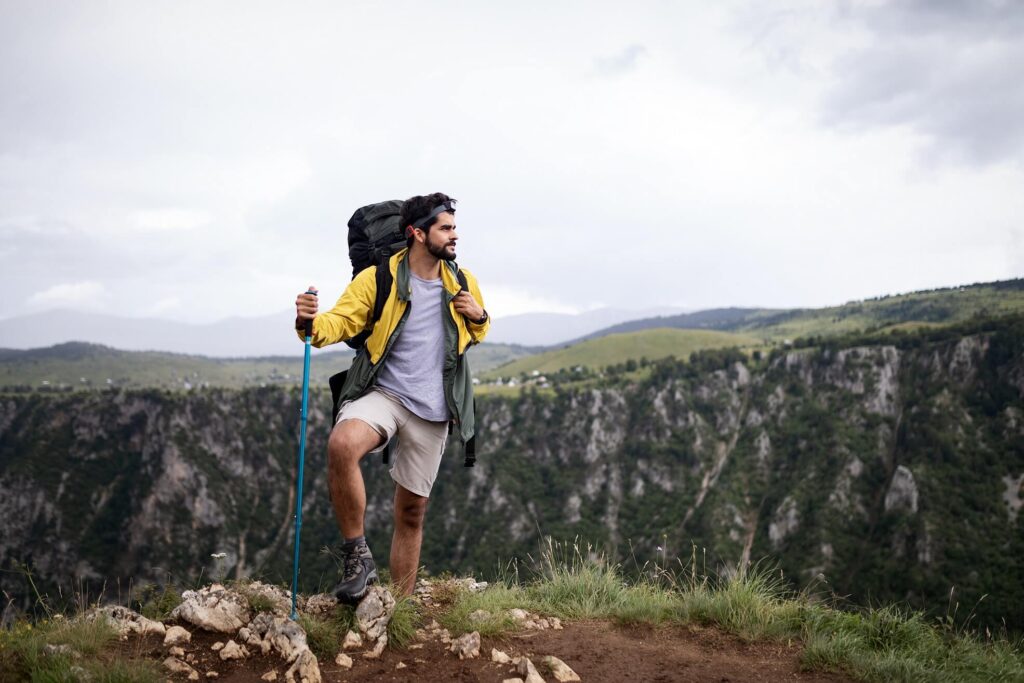
Embracing the wilderness through immersive outdoor adventures
Selecting the perfect backdrop for your next expedition
From dense forests to arid deserts, the landscape defines the journey. Choosing a location requires analyzing terrain difficulty, climate conditions, and the desire for solitude versus accessibility.

High altitude mountain escapes
Rugged peaks offer challenging ascents and breathtaking panoramas. Hikers navigate rocky paths to find secluded lakes where the air remains crisp and the silence is absolute.
Serene coastal shoreline retreats
Sleeping to the rhythm of crashing waves creates a unique tranquility. Sandy terrains require specialized stakes, while the salty breeze demands corrosion-resistant equipment for longevity.
Dense woodland canopy shelters
Ancient trees provide natural protection against wind and sun. The soft forest floor offers ideal bedding grounds, though campers must remain vigilant about local wildlife activity.

Traversing rugged trails and scenic pathways
The trail challenges physical endurance while clearing the mind. Hikers encounter shifting elevations that demand rhythmic breathing and steady pacing. Moving through changing biomes allows for a deep connection with the ecosystem, transforming a simple walk into a journey of discovery and personal resilience.
Preparation dictates the success of any trek. Navigating complex routes requires understanding topographic maps and reading natural landmarks. Proper footwear prevents fatigue on uneven ground, while layering clothing regulates body temperature during intense exertion. Every step forward brings a new perspective, rewarding the effort with hidden waterfalls, wildlife sightings, and the immense satisfaction of reaching the summit.
Engaging in dynamic outdoor recreation
Beyond the campsite, the wilderness serves as a vast playground. Explorers can interact with their environment through various disciplines, each offering a unique way to experience nature.

Kayaking and river navigation
Paddling through winding currents allows access to untouched riverbanks. Water sports combine upper body strength with the calming flow of the stream.
Rock climbing and bouldering
Ascending vertical cliffs tests mental focus and grip strength. Climbers rely on tactile connection with the stone to solve physical puzzles.
Wildlife observation and photography
Patience reveals the hidden behaviors of local fauna. Observers use telephoto lenses to capture fleeting moments without disturbing the natural habitat.
Merging comfort with wilderness in RV glamping
Modern recreational vehicles bridge the gap between adventure and luxury. Travelers enjoy the freedom of the open road while retaining domestic amenities like climate control and kitchens.
Essential gear for reliability and comfort
Selecting high-quality equipment ensures safety during unpredictable weather shifts. A durable tent acts as the primary fortress against rain and wind, while sleeping bags with appropriate thermal ratings guarantee restorative rest. Lightweight cooking systems allow for warm meals that replenish energy reserves after long days of physical exertion.
Prioritizing safety and health standards
Wilderness environments present inherent risks that demand proactive management. Carrying a comprehensive first aid kit addresses minor injuries immediately, preventing infection and ensuring the expedition continues smoothly.